
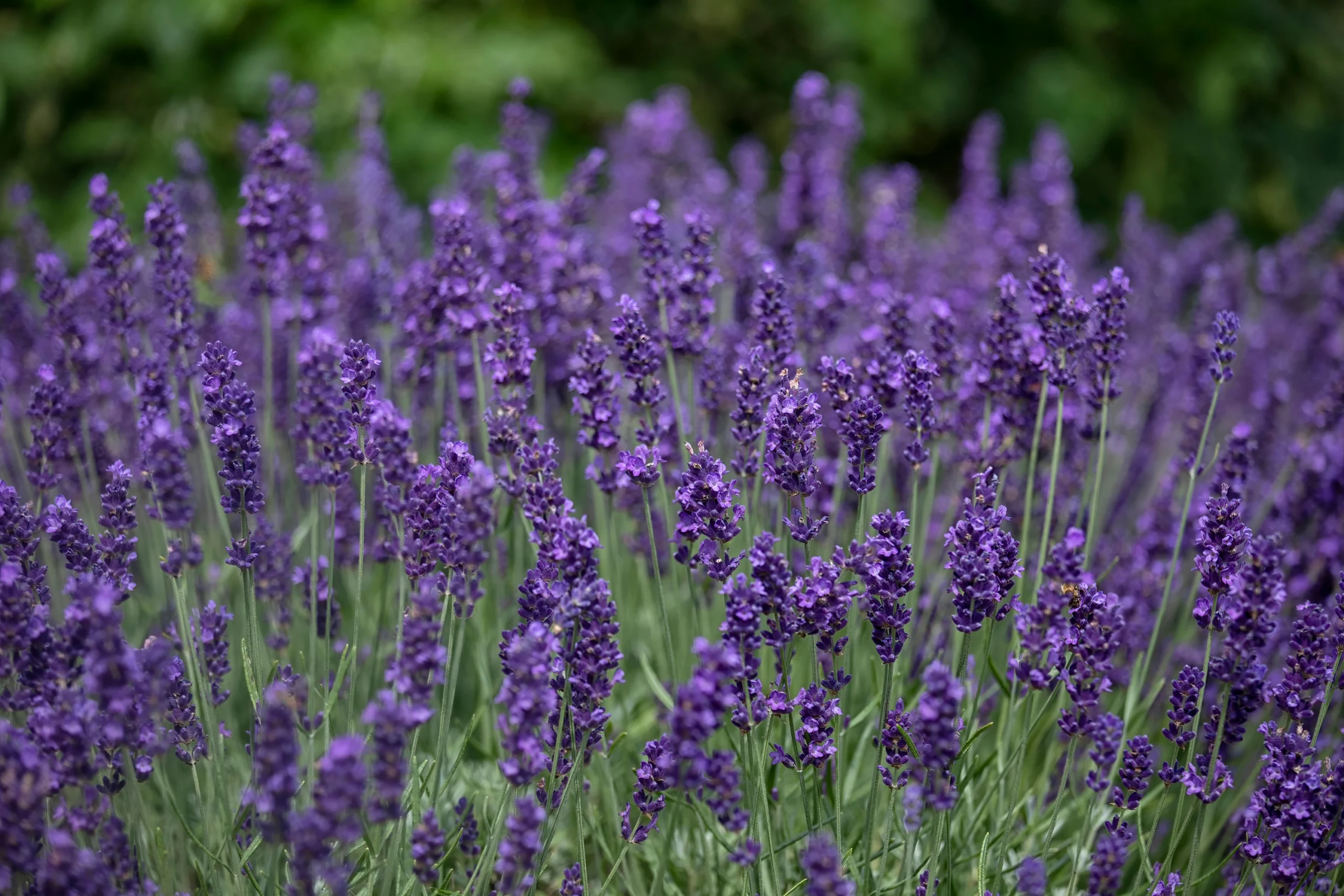
Do you love lavender but assume you can’t grow it because you don’t have a garden? Maybe you live in an apartment. Maybe your outdoor space is a balcony, a small patio, or even just a sunny front step. It’s easy to picture lavender growing in wide rows across open ground and think that without that kind of space, it simply isn’t realistic.
But lavender doesn’t require acreage. It requires sun, drainage, and thoughtful setup. If you can provide those in a container, you can grow lavender successfully. The key is understanding that containers amplify everything.
- In the ground, excess water can disperse. In a pot, it cannot.
- In the ground, roots are insulated. In a container, they’re exposed to heat, wind, and cold from every side.
That doesn’t make container growing difficult, it just means you need to be intentional from the beginning.
Choose a Container That Works With Lavender, Not Against It
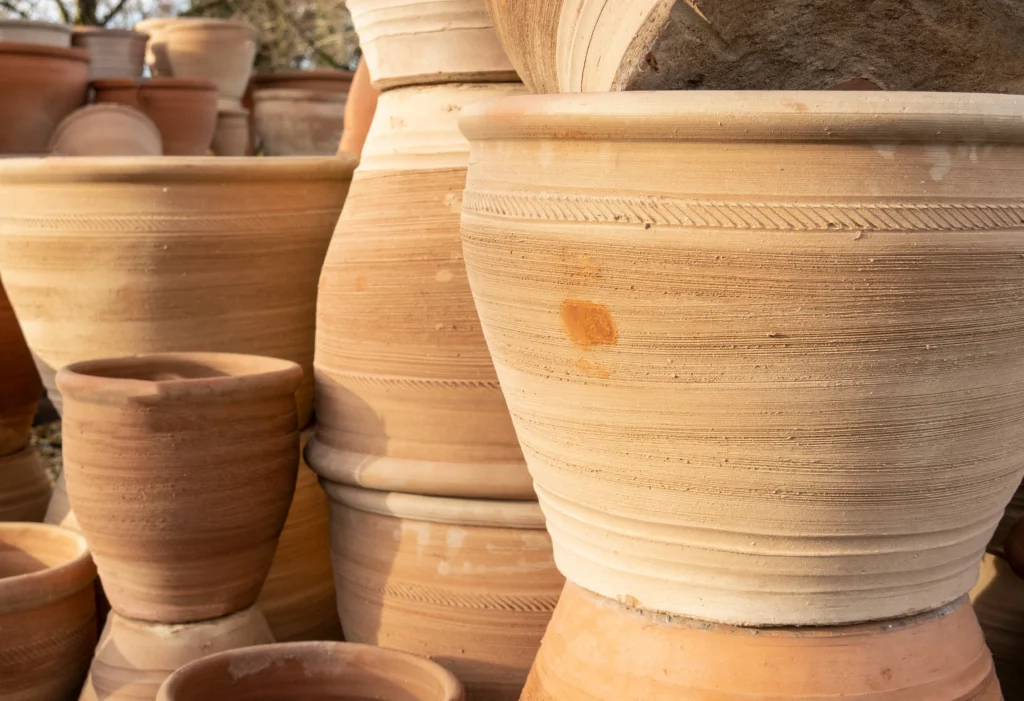
The container you choose will have more impact on your success than almost anything else. Here are a few things to consider.
- Start with material. Lavender prefers conditions that lean dry rather than damp. Because of that, natural, breathable materials are best. Terra cotta and unglazed clay allow moisture to evaporate through the sides of the pot, helping the soil dry more evenly between waterings. If possible, avoid plastic and heavily glazed containers. Plastic holds moisture longer, and glazed finishes prevent evaporation through the pot walls. In humid climates especially, that trapped moisture can work against you.
- Now think about size. Consider width and depth separately.
Match the Width to the Plant’s Mature Size
A helpful rule is this: The pot’s width should match or slightly exceed the plant’s expected mature spread above ground. So, if your lavender will grow 12–18 inches wide, choose a container around 18 inches across. Planning for mature size prevents root crowding and supports long-term stability. For example, a compact English lavender like ‘Hidcote’ can reach 18–20 inches tall and wide. While you might manage with a 12-inch pot short term, choosing something closer to 16–18 inches wide will serve you better over time.
Tip: Lavender doesn’t care to be transplanted repeatedly. It’s better to choose the long-haul container from the start.
Depth Is Even More Important Than Width
Here’s something many gardeners overlook: Container depth matters even more than width when it comes to drainage. Wide, shallow bowls may look attractive, but they are far less forgiving for lavender. Gravity is your friend. Water moves downward. The deeper the container, the farther excess moisture can travel away from the root zone before exiting through the drainage hole.
If your lavender will mature around 18–20 inches tall, look for a container that is at least 20 inches deep. A tall pot gives gravity room to work in your favor and helps protect the roots from prolonged saturation. And of course, none of this matters without drainage holes. Always choose a container with generous drainage openings. Lavender tolerates dryness well. It does not tolerate sitting in water.
Build a Soil Mix That Drains
Lavender evolved in lean, fast-draining Mediterranean soils. In containers, recreating that structure is essential. We’ve had excellent results using Fox Farm Ocean Forest as a base. For lavender, we mix it with perlite at a ratio of 2:1 — or even 1:1 if we want more aggressive drainage.
Perlite creates air pockets in the soil and allows water to move through more freely. This prevents compaction and reduces the risk of root rot.
Some gardeners recommend adding “coarse sand,” but that term isn’t well defined. The wrong sand can actually worsen drainage by compacting the mix. For that reason, we don’t recommend sand in container lavender mixes.
Also, avoid heavily pre-fertilized or “moisture control” soils. Lavender prefers lean conditions. Too much fertility often leads to leafy growth with fewer blooms and less fragrance.
Water With Intention
Watering is where most container lavender problems begin and where precision makes the biggest difference. Rather than watering on a fixed schedule, we recommend using a soil moisture meter. These meters work through a galvanic reaction in the soil that registers moisture levels on a gauge. They remove guesswork and give you a clearer picture of what’s happening below the surface. Here’s how it works.
- Insert the probe about 3–4 inches into the soil for a mature plant.
- If the gauge reads “dry,” it’s time to water deeply. For younger plants with smaller root systems, you won’t need to go quite as deep.
- When you water, do so thoroughly. Allow moisture to run out of the drainage hole.
- Then, allow the soil to dry again before watering next.
You may also notice visual cues. When lavender becomes thirsty, the leaves can soften slightly, and flower spikes may begin to droop. Ideally, you don’t want to wait until the plant shows stress. A moisture meter helps you stay ahead of that point.
Tip: Overwatering causes far more damage than under-watering. If you’re unsure, it’s usually better to wait another day.
Make Sure You Truly Have Enough Sun
Lavender requires six to eight hours of direct sunlight daily. Indoor growing is typically not sustainable over time. Even bright windows often don’t provide sufficient light intensity, and plants grown indoors tend to become leggy and weak. So pick a spot outside.
- South-facing balconies are ideal.
- West-facing can work well, though intense afternoon heat may require monitoring.
- East-facing spaces sometimes succeed with strong morning sun.
- North-facing spaces are rarely bright enough for long-term success.
Before planting, observe your space for several days. Know how the sun moves. Lavender rewards honesty.
Choose a Variety That Fits the Space
For container growing, compact varieties are your best choice. English lavenders that mature around 12–18 inches wide are ideal for patios and balconies. ‘Hidcote’ and ‘Munstead’ are two excellent options. Both are compact, hardy, strongly fragrant, and generally easy to find at local nurseries.
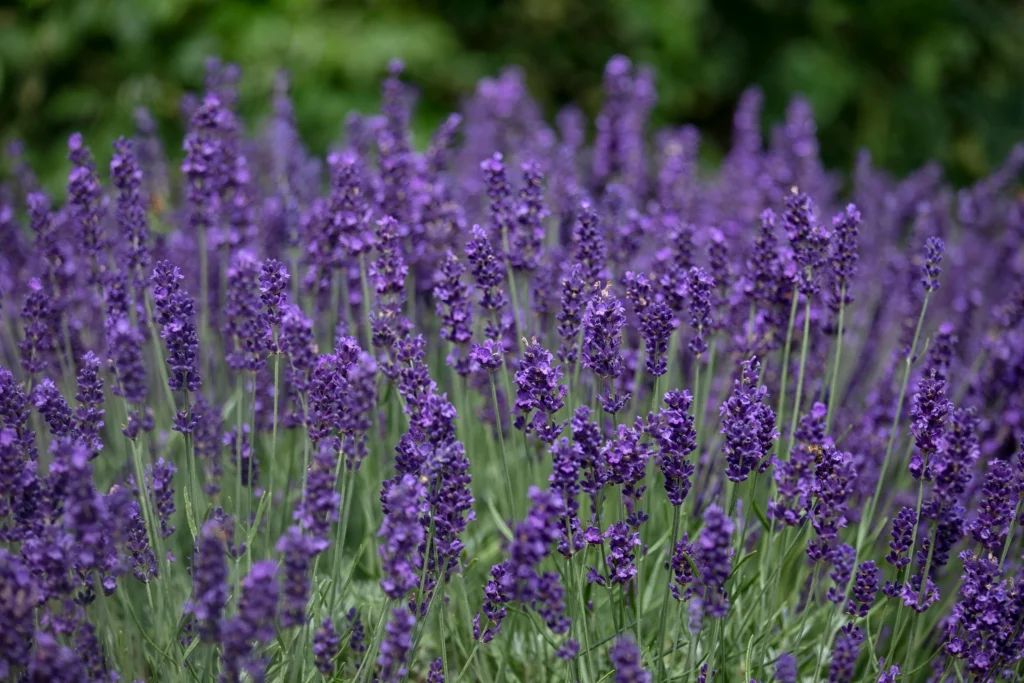
If you live in a warmer climate, Spanish lavenders such as ‘Bandera Pink’ can also perform beautifully in containers. They stay relatively compact and bloom generously. However, they are not suited to colder climates. Here on our farm, our climate doesn’t allow us to grow Spanish lavenders successfully, so always match your variety to your growing conditions.
By contrast, larger lavandins commonly found at big box stores, such as ‘Grosso’ or ‘Phenomenal’, can reach 24–36 inches tall and wide. They can be grown in containers, but only if you’re prepared to provide a substantially larger, deeper pot to accommodate their root systems and drainage needs.
Think about where the plant will be in three years, not just how it looks today.
Keep Fertilizer and Pruning Simple
Lavender prefers lean soil. Heavy fertilization often results in lush foliage but fewer flowers and reduced fragrance. If you fertilize at all, do so lightly in early spring.
Pruning remains important, even in containers. After flowering, remove spent blooms and lightly shape the plant. In early spring, trim back soft growth to maintain structure, but avoid cutting into thick woody stems. Lavender does not regenerate well from old wood.
Plan Ahead for Winter
In colder climates, container lavender requires some forethought because its roots are more exposed than those planted in the ground. So, choose a container that is manageable to move if necessary. During extreme cold, relocating it to a sheltered area or unheated garage can help protect the root system. Elevating the pot off frozen surfaces also reduces stress. Also, avoid bringing lavender into a warm indoor environment for winter. Warm temperatures combined with limited light often lead to decline.
A Simple Way to Celebrate Plant a Flower Day
If you’ve been looking for a reason to start, consider this one. National Plant a Flower Day isn’t about having the perfect garden or the perfect setup. It’s about planting something — even one thing — and giving it a place to grow. If all you have is a sunny balcony and a well-chosen pot, that’s enough. A single lavender plant can bring fragrance to your evenings, blooms for your table, and quiet pollinator activity just outside your door.
You don’t need rows of purple stretching across a field. You need sunlight, good drainage, and the decision to begin. This Plant a Flower Day, maybe that beginning is one pot of lavender.
For more lavender tips, subscribe to our newsletter and check out our other blogs on twobeeslavender.com.